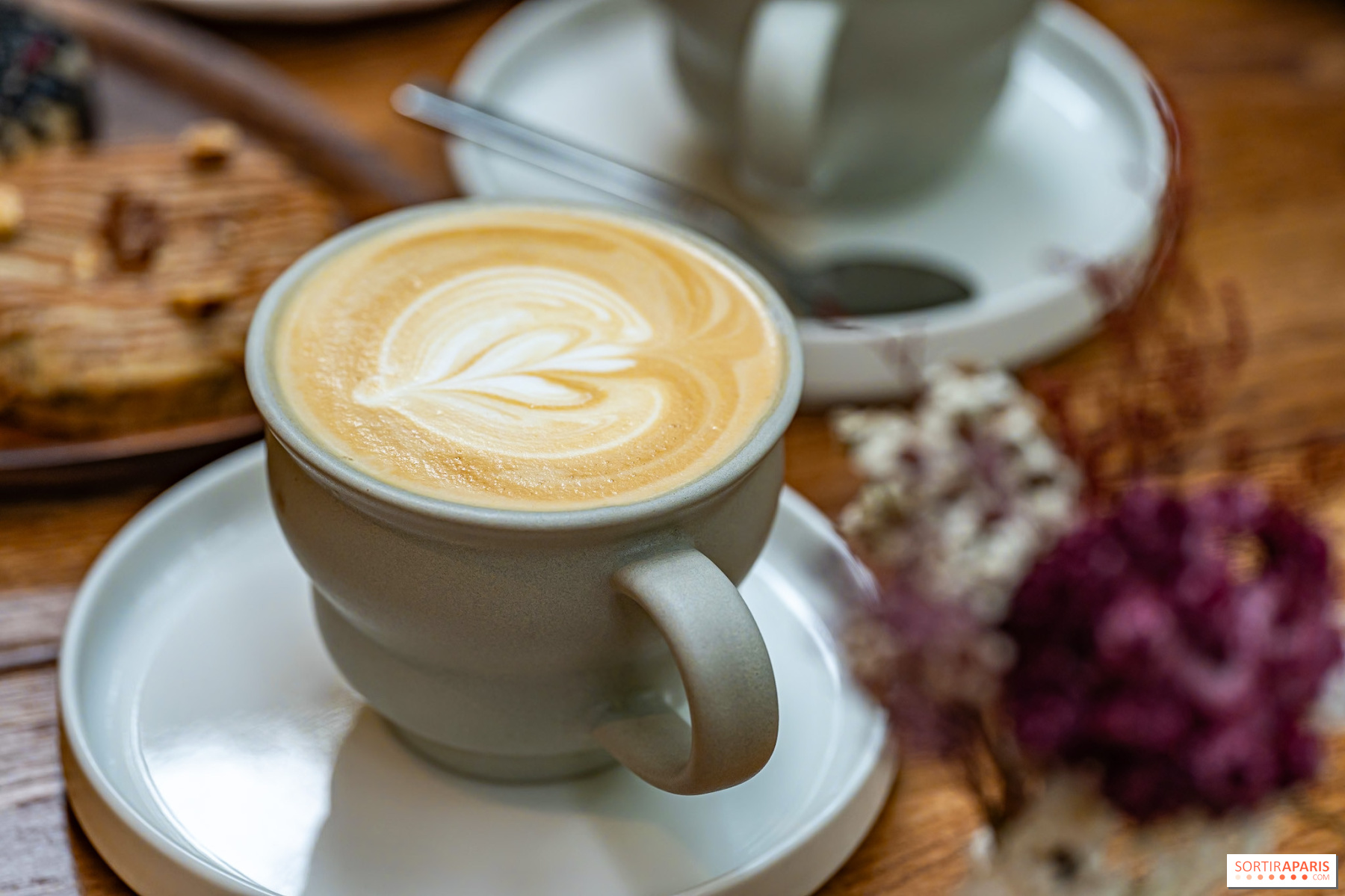
I have a confession: I can tell you more about a city’s coffee shops than its museums.
Ask me about Paris, and I’ll skip the Louvre talk and tell you about the corner café in the 11th arrondissement where the barista remembered my order after two days. Ask me about Melbourne, and I’ll describe the laneway spot with the best flat white I’ve ever had, served by a guy covered in tattoos who talked to me about jazz for twenty minutes.
Some people collect fridge magnets. I collect café experiences.
How It Started
It wasn’t intentional. I’m not even a coffee snob (I’ll drink gas station coffee if I’m desperate). But somewhere between my tenth and twentieth country, I realized something: cafés tell you everything about a place that guidebooks don’t.
The pace of a city lives in its coffee culture. In Rome, people stand at the bar, down an espresso in two sips, and leave. In Vienna, you can sit for three hours nursing a melange and nobody bothers you. In Hanoi, the chairs are tiny plastic stools on the sidewalk, and the coffee comes with condensed milk that’s probably 50% sugar.
Each approach says something about how people live, what they value, how they spend their time.
What Cafés Actually Reveal
Here’s what I’ve learned from spending way too much time in cafés around the world:
The speed of service tells you about the culture. Fast, efficient, get you in and out? Probably a work-focused city. Slow, meandering, “we’ll get to you when we get to you”? You’re somewhere that values connection over productivity.
The seating arrangement matters. Long communal tables mean people are open to strangers. Tiny two-person tables facing walls mean they’re not. I’ve had the best conversations in cities with shared seating.
Locals vs. tourists is obvious. Locals read newspapers, work on laptops, meet friends, treat it like a second living room. Tourists take photos of their cappuccinos and leave. When I find a café full of locals, I know I’m in the right place.
My Favorite Café Moments
In Lisbon, I spent every morning at the same pastelaria. By day three, the owner started making my coffee before I ordered. By day five, his wife brought me an extra pastry “to try.” By day seven, I knew their daughter’s name and her college plans. I learned more Portuguese in that café than I would have in any class.
In Tokyo, I stumbled into a kissaten (old-style coffee shop) run by a man who’d been brewing coffee the same way for forty years. He made my cup with the precision of a surgeon. It took twelve minutes. I watched the entire process in silence. It was a religious experience, and I’m not even religious.
In Buenos Aires, the café con leche came with a three-hour table guarantee, and the waiter looked personally offended when I tried to leave after one hour. “Why rush?” he asked, genuinely confused. I stayed. He was right.
The Unspoken Café Rules
Every café culture has invisible rules, and figuring them out is half the fun.
In Italy, you pay more to sit than to stand. In France, ordering just coffee means you’re there to stay; nobody will rush you. In Australia, they take their coffee seriously—like, SERIOUSLY—so don’t ask for a “regular coffee” unless you want a lecture. In Turkey, the coffee comes with your fortune in the grounds at the bottom.
Breaking these rules is how you learn. I’ve absolutely ordered wrong, sat in the wrong section, overstayed my welcome, and underpaid by accident. Each mistake taught me something.
Why I Keep Going Back
I could work from my accommodation. I have a laptop; I have WiFi. But I don’t.
There’s something about café culture that makes me feel connected to a place. At a café, I’m not a tourist observing from outside. I’m participating in daily life. I’m sitting where locals sit, drinking what they drink, moving at their pace.
Plus, cafés are where things happen. I’ve made friends, gotten the best travel tips, been invited to parties, learned about neighborhood secrets, and even met a guy who offered me a free place to stay (I didn’t take it, but still). You don’t get that sitting alone in your hotel room.
My Café Strategy
When I arrive somewhere new, finding the right café is priority number two (priority number one is knowing where the bathroom is). Here’s my system:
Walk away from tourist areas. The best cafés are never next to major attractions. They’re tucked into residential neighborhoods where people actually live.
Look for older people. If you see retirees meeting friends, reading the paper, chatting with staff, you’ve found a good spot. They know what’s up.
Avoid anywhere with a massive menu. Good cafés do a few things well. If they’re serving breakfast, lunch, dinner, smoothies, cocktails, and bubble tea, run.
Go back. The magic happens on the second or third visit when they start recognizing you.
What I’ve Learned About Myself
I used to think I traveled for the sights. The mountains, the architecture, the famous landmarks. But honestly? I remember the cafés more vividly than most museums.
I remember the barista in Krakow who drew a heart in my foam and winked. I remember the cramped café in Marrakech where I sat on a rooftop watching the call to prayer. I remember the 24-hour diner in New York where I sobered up at 3 AM with the best cup of bad coffee I’ve ever had.
These moments feel more real than checking off bucket list items. They’re ordinary in the best way. They remind me that travel isn’t just about seeing extraordinary things; it’s about experiencing ordinary life somewhere new.
The Café I’m Still Looking For
I haven’t found my perfect café yet. Maybe it doesn’t exist. Or maybe I’ll find it in the next city, or the one after that.
It would have good light for reading. Strong WiFi but not too many laptops. Friendly staff who remember regulars but don’t pressure you to talk. A corner seat. Reasonable prices. Coffee that’s good but not pretentious. A mix of young and old customers. Plants, maybe. Definitely a cat.
I’ll keep looking. That’s half the fun.
Why You Should Try This
Next time you travel, skip one museum. Just one. Use that time to find a local café instead. Order something, sit down, and watch.
Watch how people interact. Listen to the language. Notice the pace. See who comes in, who stays, who leaves. Let yourself be bored for a minute. Let the place reveal itself.
I promise you’ll learn more about that city in an hour at a café than you will from any guidebook.
And who knows? Maybe you’ll find your own perfect spot. Maybe the barista will remember your order. Maybe you’ll overhear a conversation that changes your plans. Maybe you’ll just have a really good cup of coffee.
Either way, you won’t regret it.
Trust me. I’ve tested this theory in over 40 countries, one café at a time.
Leave a Reply